Inverse relationship between parasitemia and platelet count
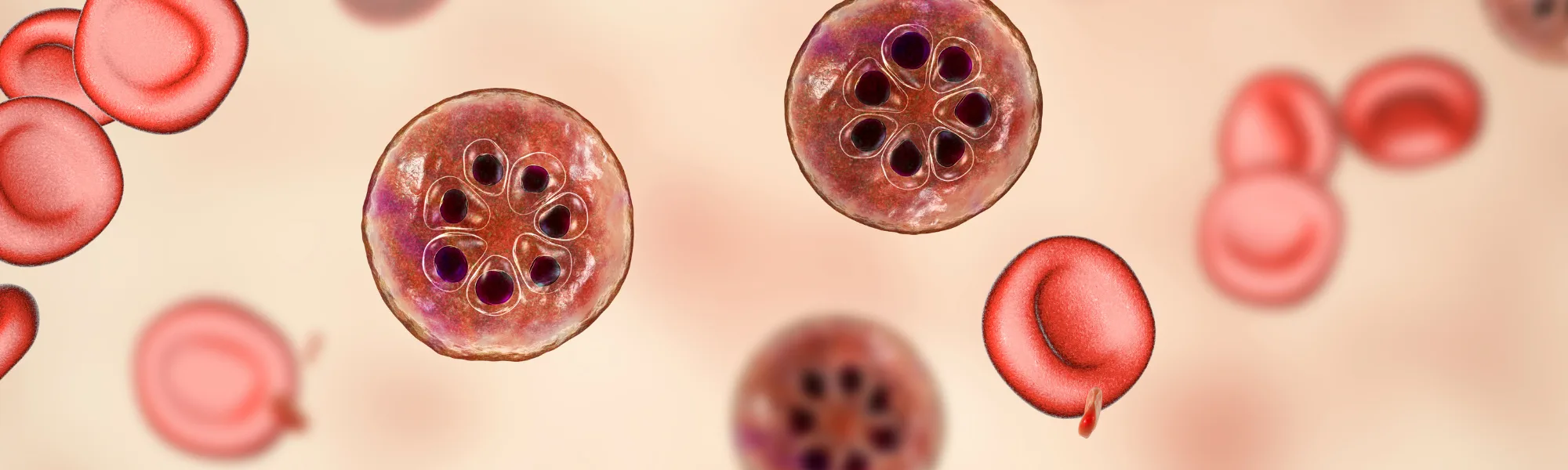
Malaria is a life-threatening mosquito-borne infectious disease primarily affecting tropical regions. According to the World Health Organization (WHO), nearly half of the world’s population was at risk in 2021, with approximately 427 million cases and an estimated 619,000 deaths reported globally (1). Early diagnosis and appropriate treatment are essential to prevent progression from mild to severe disease.
Platelet count changes in malaria
Thrombocytopenia is a well-recognized hematological feature of severe malaria (1). In a study conducted by Mandala and co-workers at the Malawi University of Science and Technology, parasitemia levels—defined as the number of parasites per microliter of blood—were found to be inversely correlated with platelet (PLT) count (2).
Platelet counts were significantly lower during the acute phase of infection across all investigated malaria presentations—uncomplicated malaria (UCM), severe malarial anemia (SMA), and cerebral malaria (CM)—when compared with values measured during the convalescent phase one month after treatment.

Platelet count determination in severe malaria
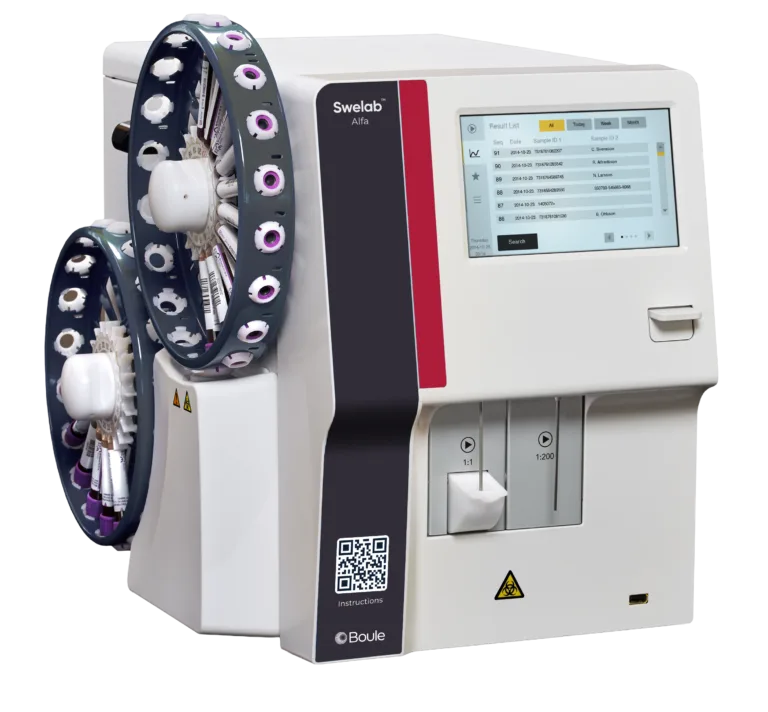
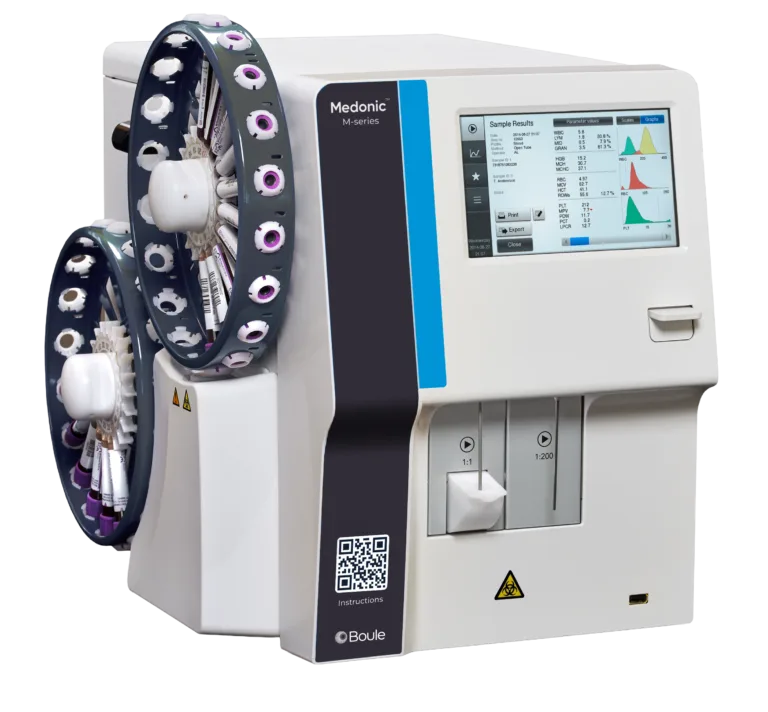
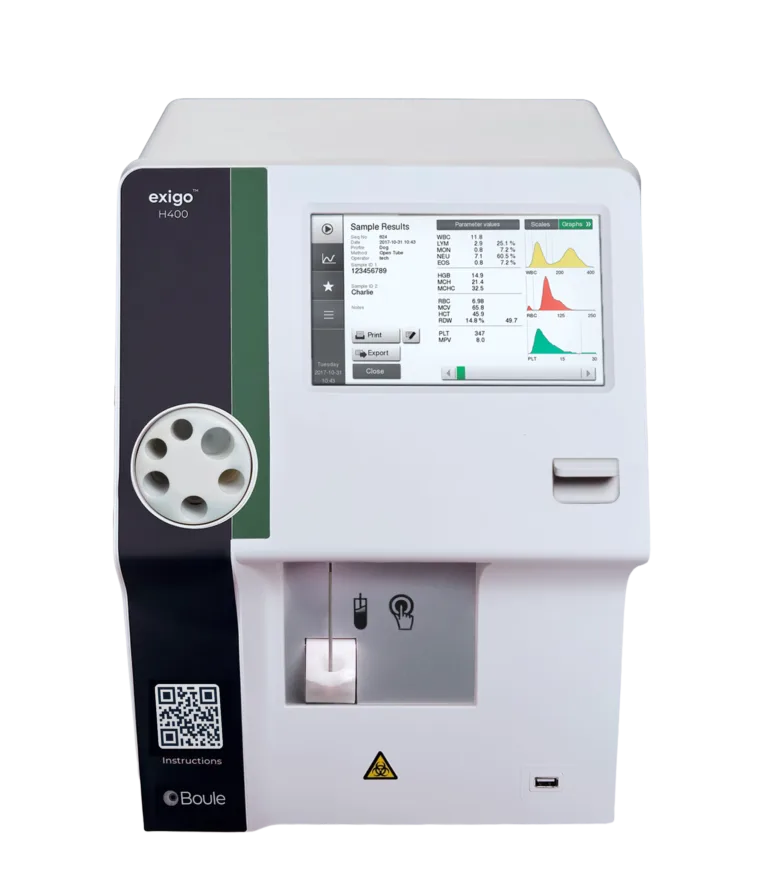
When a critically low PLT count is detected, Boule hematology analyzers include a PLT extended counting time functionality designed to improve the accuracy of the result. When activated, the analyzer counts approximately three times more platelets than in standard mode, increasing the number of events evaluated in the critically low PLT range.
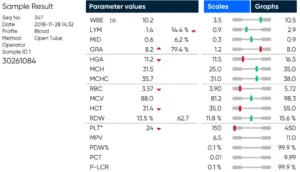
If PLT extended counting time is enabled and a low platelet count is detected during analysis, the extended counting phase is displayed and indicated by an asterisk (*) next to the PLT parameter in result screens, printouts, and exported reports.
References
- WHO: Malaria – key facts. who.int (accessed 2023-05-22).
- Maina et al. Impact of Plasmodium falciparum infection on haematological parameters in children living in Western Kenya. Malaria Journal 9(Suppl 3), S4 (2010).
- Mandala et al. Acute Malaria in Malawian Children and Adults is Characterized by Thrombocytopenia That Normalizes in Convalescence. Journal of Blood Medicine 13, 485–494 (2022).