PFASs can cause anemia and chronic infections in wild animals
Per- and polyfluoroalkyl substances (PFASs) are considered persistent environmental contaminants. Due to their widespread use in industrial and commercial applications, PFASs constitute a recognized concern for human and animal health worldwide.
Study on Amur tigers in China
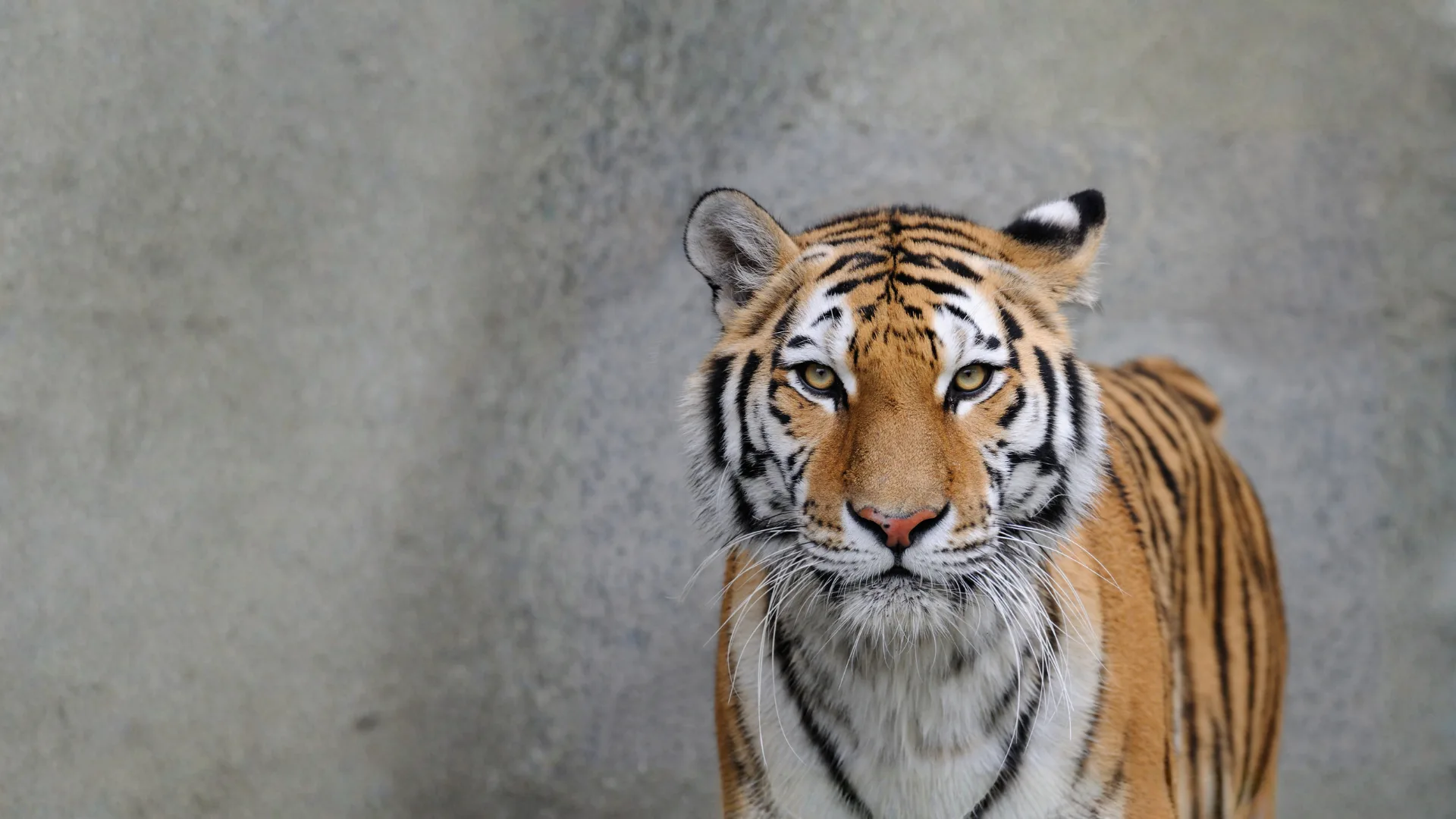
Scientists at the College of Wildlife and Protected Area, Northeast Forestry University, Harbin, China studied the relationship between PFAS concentrations and physiological and hematological parameters in Amur tigers living in the Amur Tiger Park in Heilongjiang Province in northern China (1).
Blood samples were collected from 112 captive Amur tigers, and PFAS concentrations were determined. The researchers observed that dietary intake accounted for more than 70% of total daily PFAS exposure, indicating that meat consumption was the primary source of exposure.

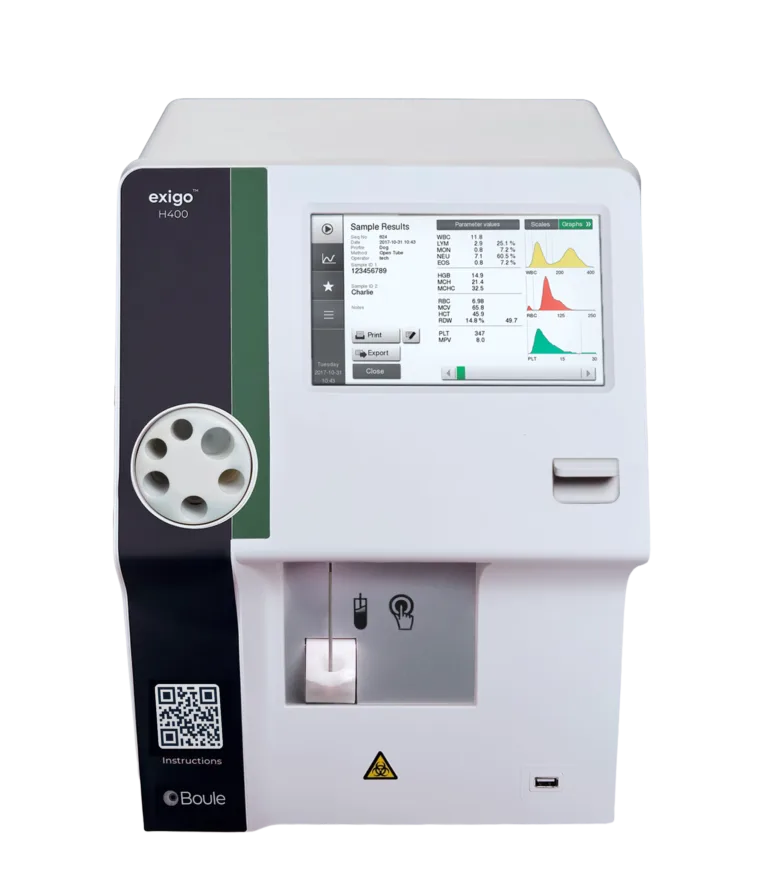
The Exigo H400 veterinary hematology analyzer was used to evaluate white blood cells (WBCs), lymphocytes (LYMs), monocytes (MONs), neutrophils (NEUs), red blood cells (RBCs), hematocrit (HCT), red blood cell distribution width (RDW), hemoglobin (HGB), mean corpuscular volume (MCV), mean corpuscular hemoglobin (MCH), mean corpuscular hemoglobin concentration (MCHC), platelets (PLTs), and mean platelet volume (MPV) in the collected blood samples.
The authors found that concentrations of certain PFAS compounds were associated with changes in immune cell populations (WBCs, NEUs) and alterations in hematological parameters (RBCs, RDW, HGB, HCT, PLTs). Higher cumulative PFAS concentrations were associated with increased potential health risk.
The researchers conclude that, at elevated exposure levels, PFASs may contribute to malnutrition, anemia, and chronic infectious conditions, which in turn may reduce the overall viability of Amur tigers.
Learn more
Learn more about the use of veterinary hematology parameters in wildlife research. Designed for robustness and ease-of-use, and with twelve pre-installed animal profiles, the Exigo H400 veterinary hematology system is suitable for a range of veterinary applications. Learn more about Exigo H400.
Reference
1. Wang et al. Associations of per‐ and polyfluoroalkyl substance concentrations in the blood of Amur tigers and physiological parameters. Wildl Lett 1, 163–170 (2023).