Quality of life evaluation in dogs receiving chemotherapy for lymphoma
Lymphoma is frequently diagnosed in dogs, and chemotherapy is the mainstay of treatment. However, many dog owners are concerned about potential side effects and overall wellbeing during therapy. Researchers in Macedonia have evaluated the health-related quality of life in dogs before, during, and after chemotherapy.

Canine lymphoma
Lymphoma is a common form of cancer in dogs. The condition affects the lymphoid cells of either B-cell or T-cell type. In addition to lymphoid-rich organs such as the lymph nodes, bone marrow, and spleen, non-lymphoid sites such as the liver can also be affected (1). The disorder is typically treated with, and often responds well to, chemotherapy. A complete remission is commonly obtained in most cases (2).
Quality of life assessment during chemotherapy
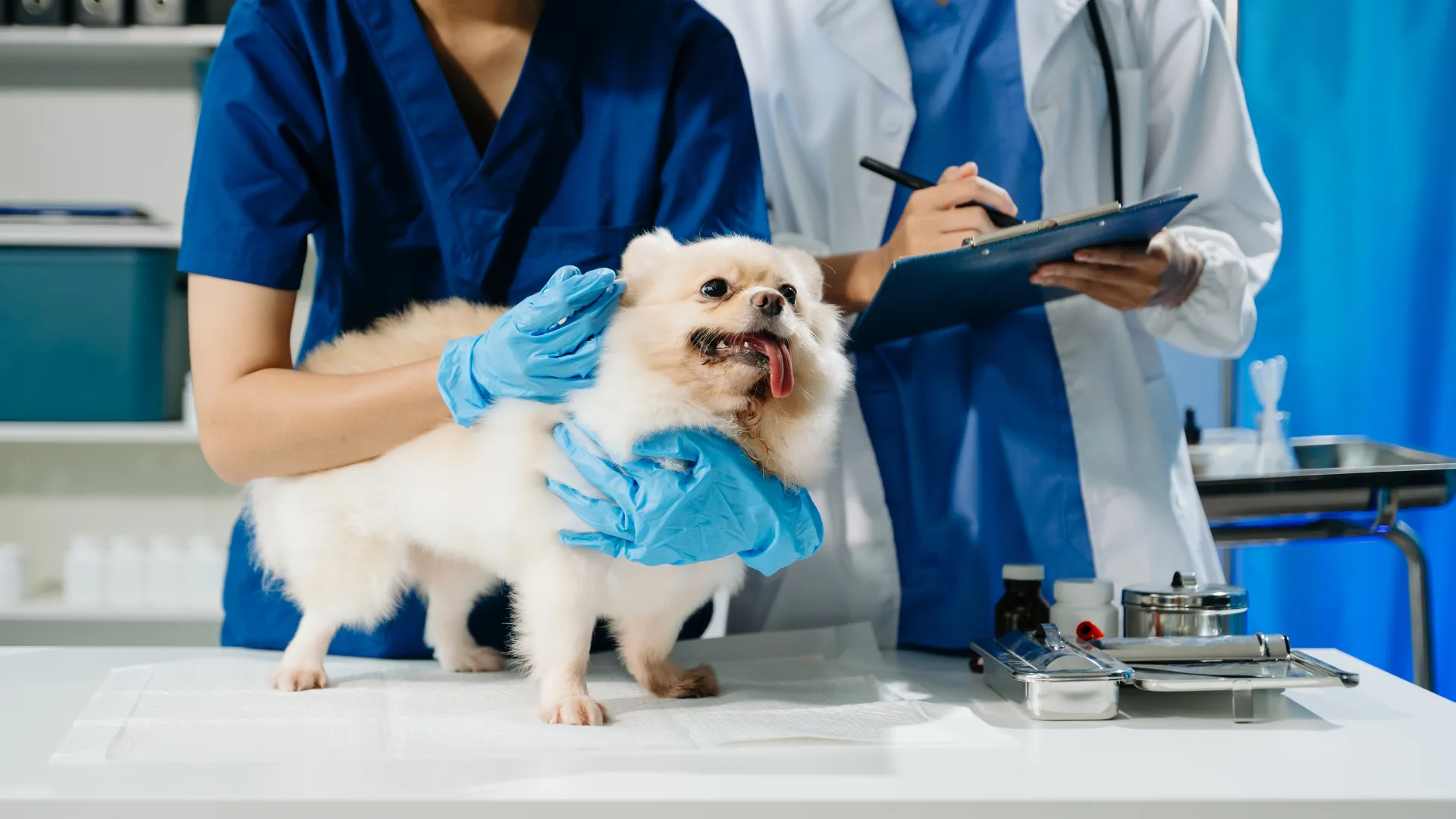
Elena Atanaskova Petrov and coworkers at the University Ss. Cyril and Methodius, Skopje, Macedonia analyzed the health-related wellbeing of dogs diagnosed with lymphoma before, during, and at the end of chemotherapy treatment (3). Of 15 dogs diagnosed with multicentric lymphoma, five dogs received chemotherapy and were monitored across the three treatment phases. The five study subjects — three golden retrievers, one cocker spaniel, and one mixed breed — had a median age at diagnosis of 8.4 years and were all classified as clinical stage 3 or 4 according to WHO.
Hematological findings and clinical observations
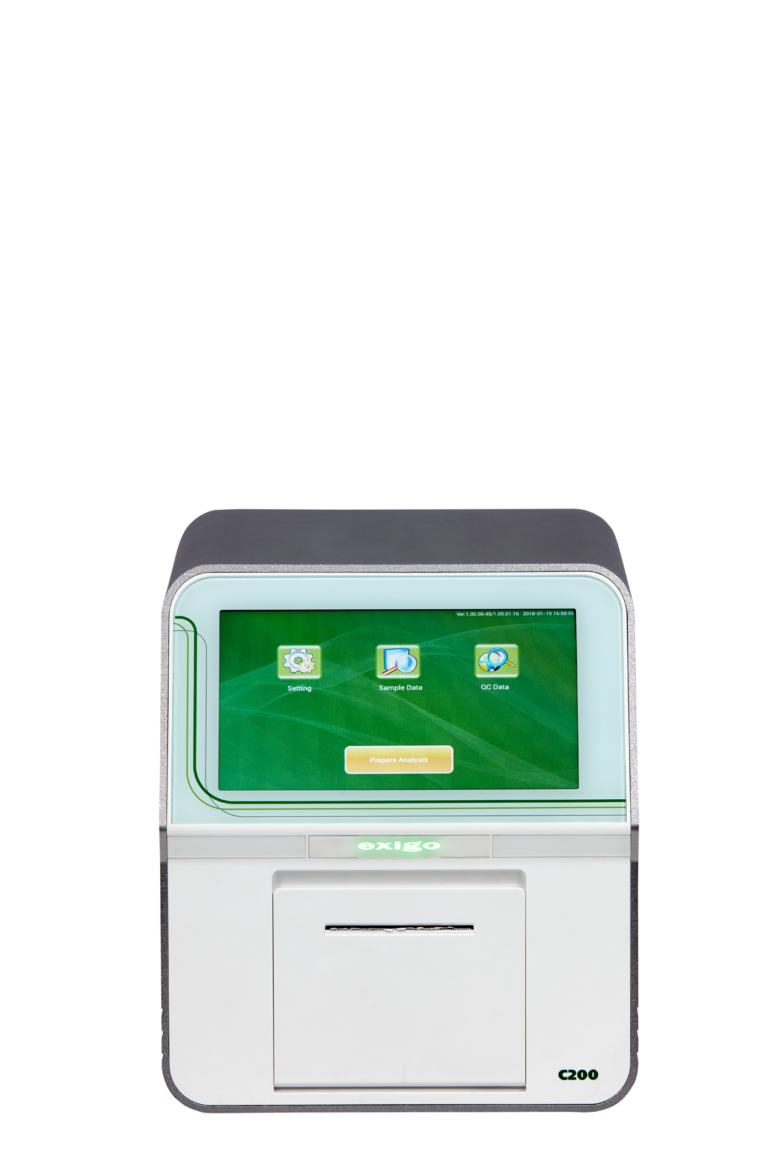
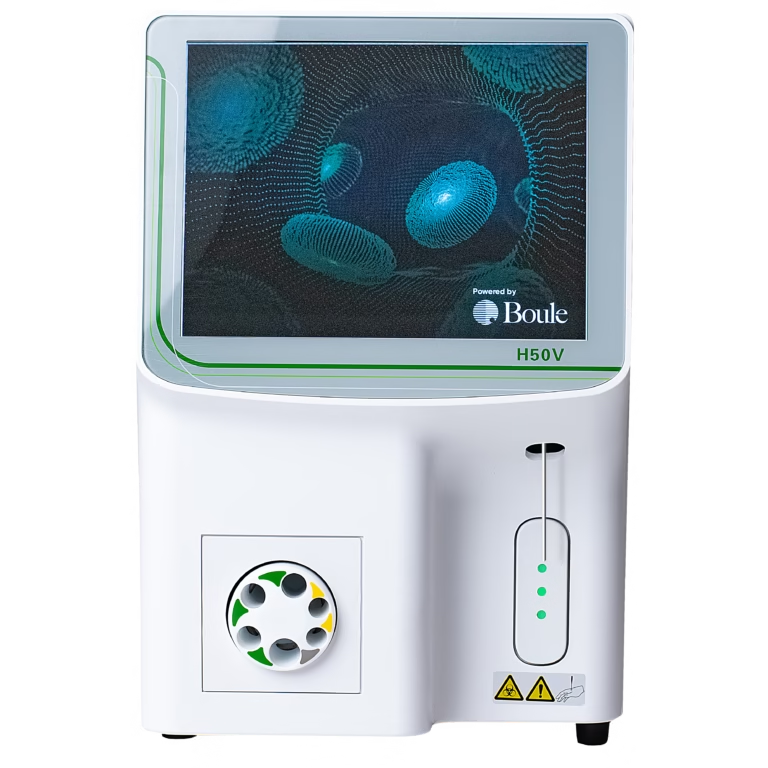
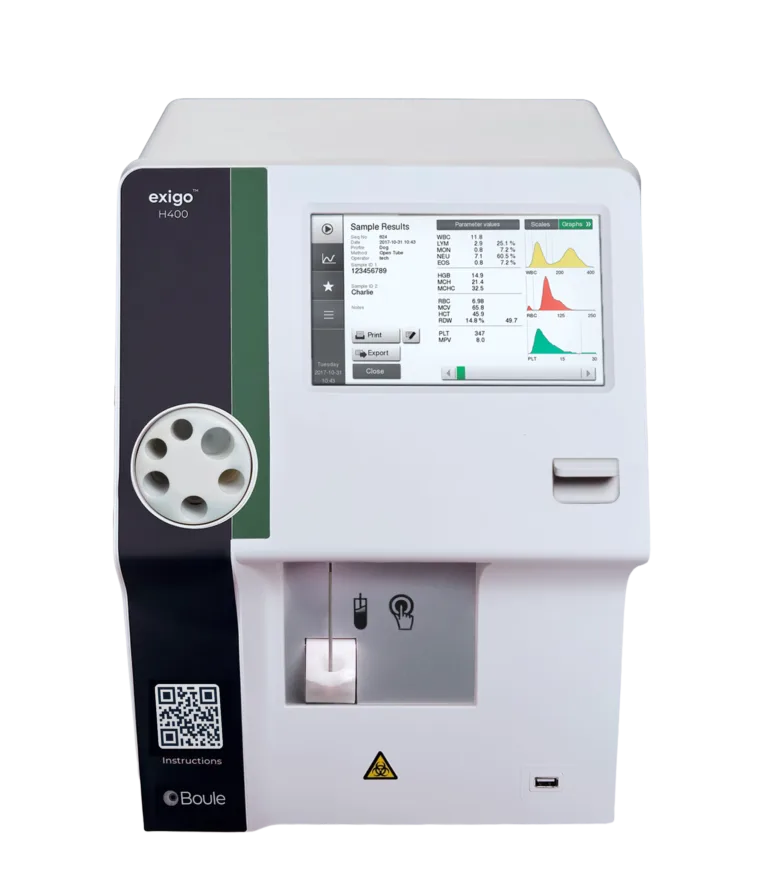
Whole blood samples were collected by vein puncture, and complete blood counts were performed using the Exigo veterinary hematology analyzer. A common finding before treatment was mild non-regenerative anemia. During therapy, a significant increase in red blood cells, hematocrit, and hemoglobin levels was observed.
Significant improvements in liver enzymes (ALT, AST) and protein status (total protein and globulin) were also noted. Owners reported improvements in appetite, willingness to walk, and interest in play during the treatment period.
Complete remission was obtained in three patients, while partial remission was obtained in two. Median survival time was 13.4 months (range: 4–24 months). At the end of therapy, dog owners reported being satisfied with their decision to proceed with chemotherapy.
Learn more
Learn more about the clinical utility of the Exigo automated veterinary hematology system
References
- Bennett et al. Review of Canine Lymphoma Treated with Chemotherapy—Outcomes and Prognostic Factors. Vet Sci 10, 342 (2023).
- Zandvliet, M. Canine lymphoma: a review. Vet Q 36, 76–104 (2016).
- Atanaskova Petrov et al. Evaluation of health related quality of life in dogs treated with chemotherapy for lymphoma. Acta Veterinaria-Beograd 73, 218-230 (2023).