Rock bream iridovirus (RBIV) infection: a health challenge in aquaculture
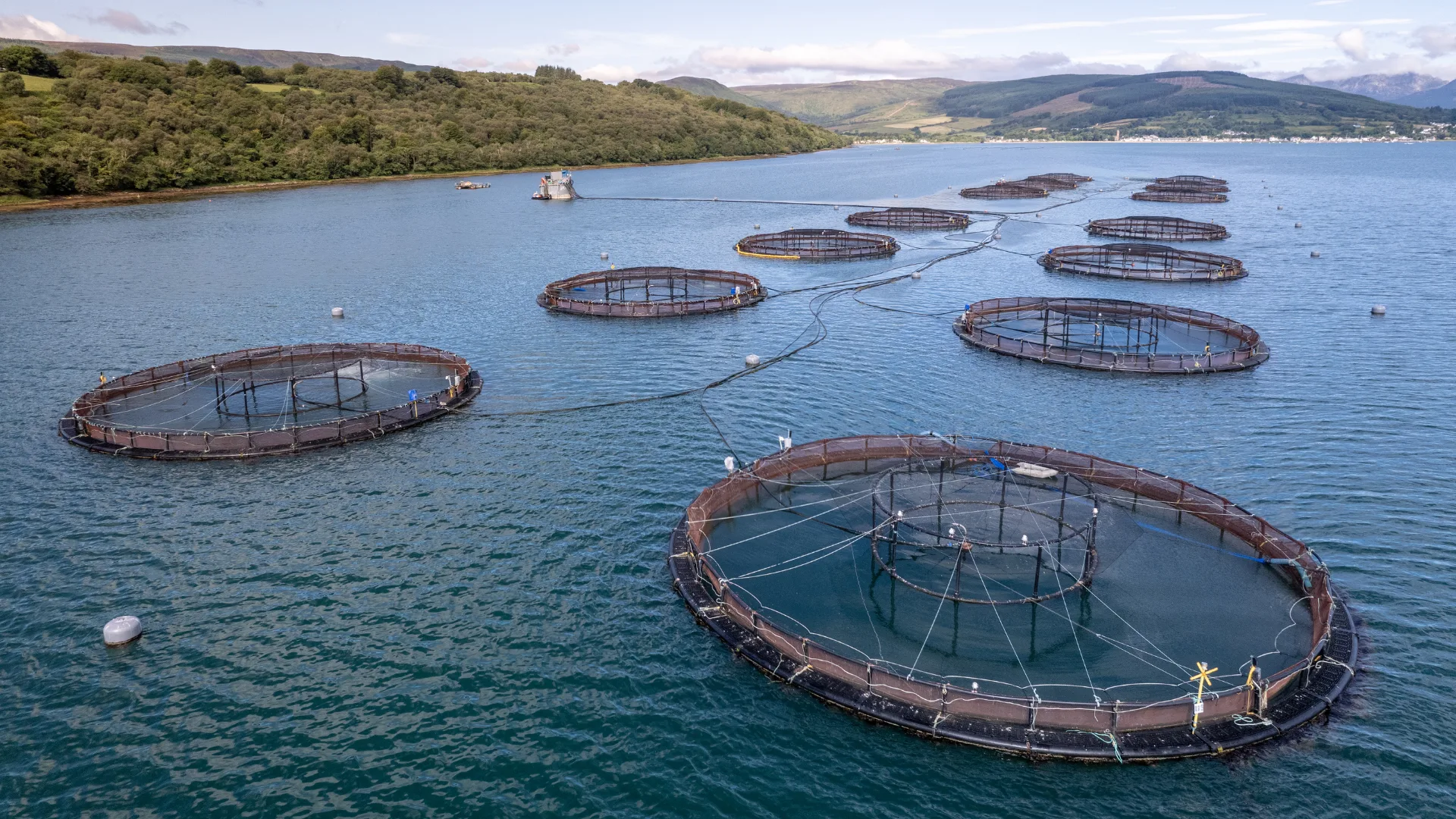
Aquaculture contributes significantly to meeting the increasing global demand for aquatic foods such as finfish, shellfish, and algae. According to the Food and Agriculture Organization (FAO) of the United Nations, in the 2024 edition of The State of World Fisheries and Aquaculture (SOFIA), aquaculture production of aquatic animals has surpassed capture fisheries for the first time (1).
Rock bream (Oplegnathus fasciatus) is an important species for fish farming in East Asia. However, outbreaks of rock bream iridovirus (RBIV) constitute a significant health concern in aquaculture systems. Infections may arise from environmental factors, co-infection with other pathogenic microorganisms, or exposure through ground (raw) fish feed (2).

Similarities and differences between RBIV infection routes
Korean researchers recently published a study investigating RBIV infection in rock bream (3).
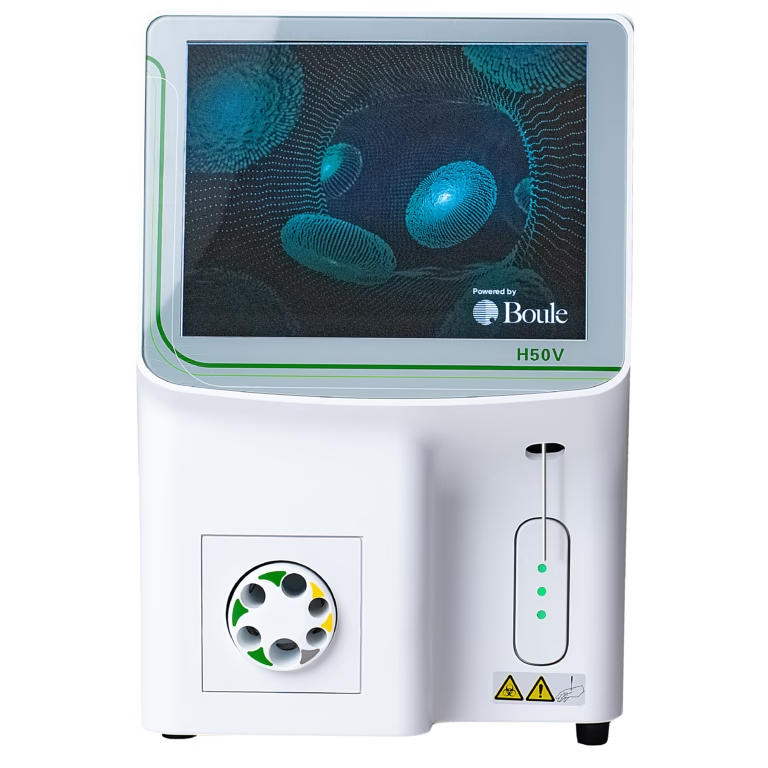
Using the Exigo H400 veterinary hematology system and blood smear analysis, similarities and differences in hematological indicators between intraperitoneal and oral infection routes were examined.
In addition, the Exigo C200 veterinary chemistry system was used to analyze biochemical parameters including aspartate aminotransferase (AST/GOT), alanine aminotransferase (ALT/GPT), alkaline phosphatase (ALP), glucose (GLU), total cholesterol (TC), and triglycerides (TG).
Hematological and biochemical observations
The researchers observed both similarities and differences in the distribution of white and red blood cells between intraperitoneal and oral infection routes.
In both infection routes, a rapid increase in leukocyte counts was observed at all sampling time points, indicating a physiological response to RBIV infection.
In the intraperitoneal infection route, red blood cell count (RBC), hemoglobin (HGB), hematocrit (HCT), and mean corpuscular hemoglobin (MCH) decreased during the later stages of infection.
In contrast, during oral infection, RBC, HGB, and HCT values remained within normal ranges throughout all stages of infection.
Red blood cell distribution width (RDW), however, was found to be abnormal at all stages of infection in both infection routes.
These findings indicate that oxygen transport capacity may be affected during RBIV infection in rock bream.
Exigo products were used in the study of RBIV infection in rock bream.
References
- FAO Report: Global fisheries and aquaculture production reaches a new record high in The State of World Fisheries and Aquaculture 2024 (fao.org, accessed 2024-12-16).
- Kim et al. Effect of feeding rock bream iridovirus (RBIV)-containing tissues on mortality rates in rock bream (Oplegnathus fasciatus). Fish Shellfish Immunol 153, 109858 Epub (2024).
- Jung et al. Oral route of transmission for rock bream iridovirus (RBIV) infection in rock bream (Oplegnathus fasciatus): clinical signs and hematological indicator changes. Epub https://doi.org/10.2139/ssrn.4866289 (2024).